
Acrylic Signs vs. Traditional Wooden Signs: A Comparison
If you manage retail roll-outs, store fixtures, or hospitality branding, you’ve probably had this debate more than once: acrylic signs or wooden signs? Both look good on mood boards. Both can match brand guidelines. But they behave very differently in the real world, especially when you scale to dozens or hundreds of locations.
Below, we’ll walk through how acrylic signs stack up against traditional wooden signage in durability, upkeep, branding, sustainability, and real-world use cases. All examples are based on projects we handle as an acrylic fabrication manufacturer in China for B2B, OEM/ODM and bulk orders.
Table of Contents
Acrylic Signs vs Traditional Wooden Signs Durability and Weather Resistance
When you look at durability, acrylic signs are built for long-term stability, especially in tough environments:
- Acrylic doesn’t soak up moisture, so it’s far less likely to warp, swell, or crack.
- It holds up well in air-conditioned malls, high-traffic lobbies, and even semi-outdoor corridors.
- With the right thickness and spec, acrylic can handle day-to-day knocks from trolleys, luggage, and shoppers.
Traditional wooden signs bring a very natural look, but they’re more sensitive to climate:
- In humid or coastal areas, wood can twist, split, or peel if the coating isn’t maintained.
- Direct sun and rain will age the surface faster, which is a real issue for chain stores or franchises with outdoor fronts.
For multi-store programs that need predictable behaviour over time, acrylic signs are easier to standardise and keep on spec across all locations.
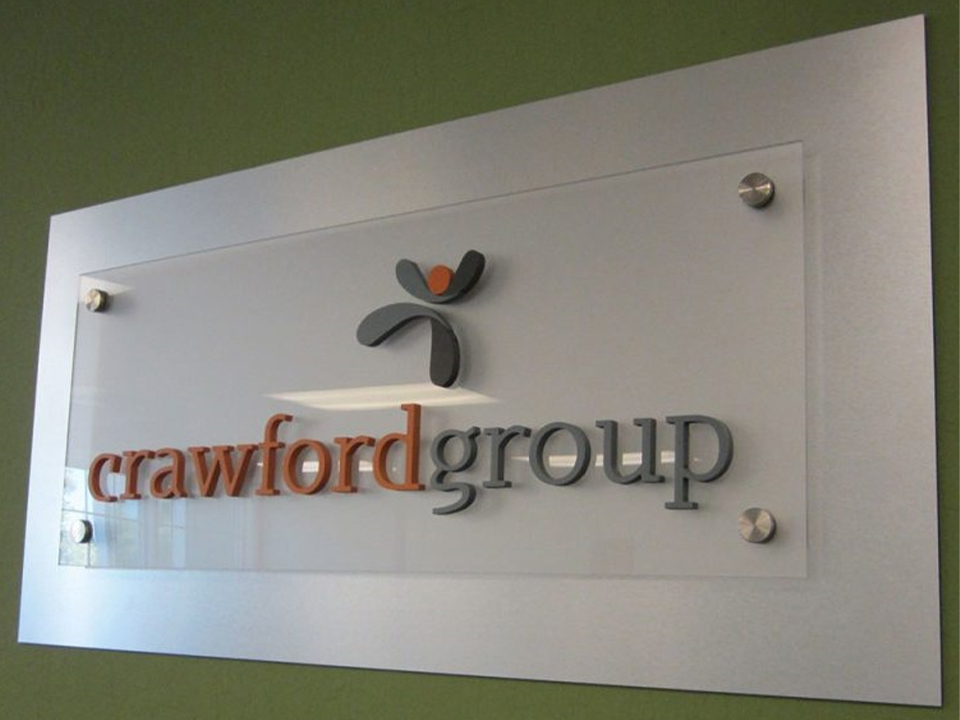
Acrylic Signs vs Wooden Signs Maintenance and Lifespan
Maintenance is usually where operations teams start to feel the pain.
Acrylic signs:
- Day-to-day care is simple: soft cloth, mild cleaner, done.
- No need for regular resealing, sanding, or re-coating.
- That means fewer service calls and less store downtime during refresh.
You can see how this plays out with things like custom acrylic signs. Once they’re installed, store staff just wipe them down with standard cleaning routines.
Wooden signs:
- To keep a “fresh” surface, you’ll normally need periodic re-varnish or repainting.
- Scratches and chips show faster on wood, especially on darker finishes.
- Over time, that pushes up the lifecycle cost, especially for large fleets of stores or outlets.
If your ops team already fights with tight maintenance budgets and lean staff, acrylic signage usually fits better into a low-touch maintenance plan.
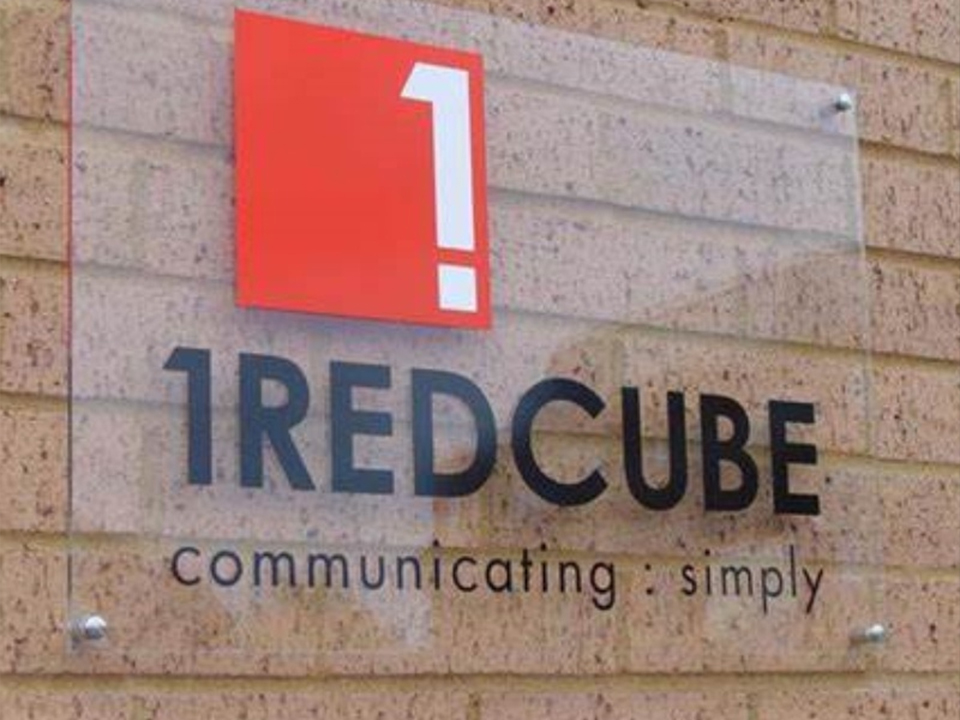
Acrylic Signs vs Wooden Signs Aesthetics and Brand Positioning
This is where taste comes in, but there are clear patterns in how brands use each material.
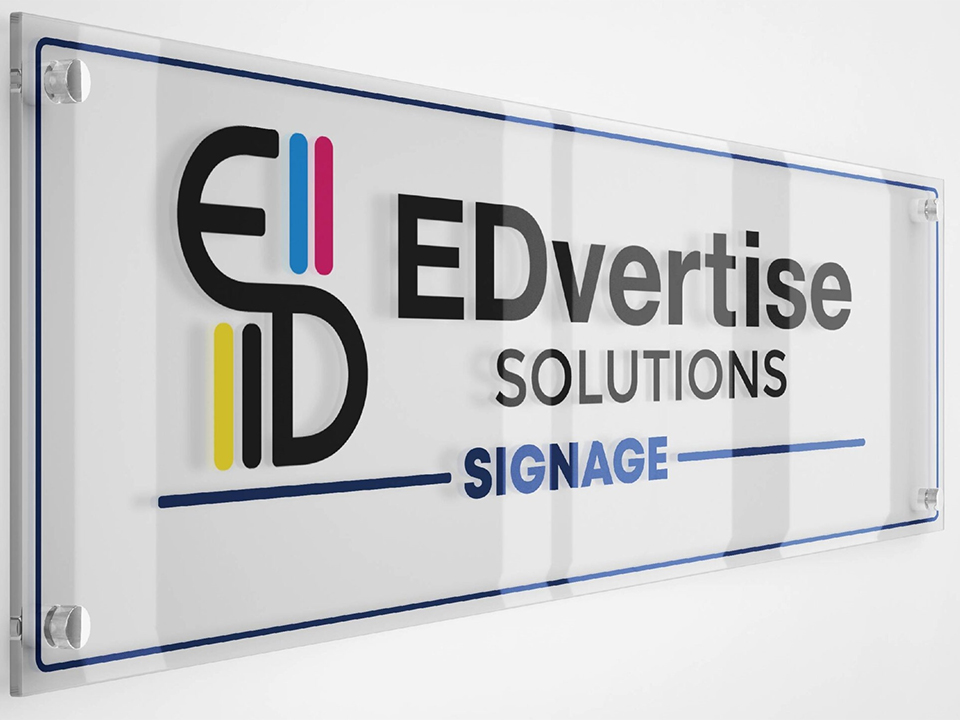
Acrylic signs give you a clean, modern, “glass-like” look without the weight and risk of real glass:
- Great for corporate reception logos, healthcare, tech, beauty, and high-end retail.
- Easy to combine with backlighting, edge-lighting, or halo effects, like our LED acrylic shop signs.
- Full-colour UV printing and laser engraving let you reproduce fine logo details and gradients.
You can push the look even further with custom neon acrylic signs, which hit that “Instagram-friendly” vibe for bars, gyms, and lifestyle brands.
Wooden signs, on the other hand, sit naturally in these spaces:
- Cafés, bakeries, breweries, craft stores, farm shops.
- Rustic hotels, B&Bs, eco-lodges, and outdoor venues.
- Brands that want to highlight “handmade”, “local”, or “heritage” messaging.
The wood grain, knots, and slight imperfections all add to the story. If your brand leans heavily on “natural” and “slow life” positioning, wooden signage still has a strong pull.
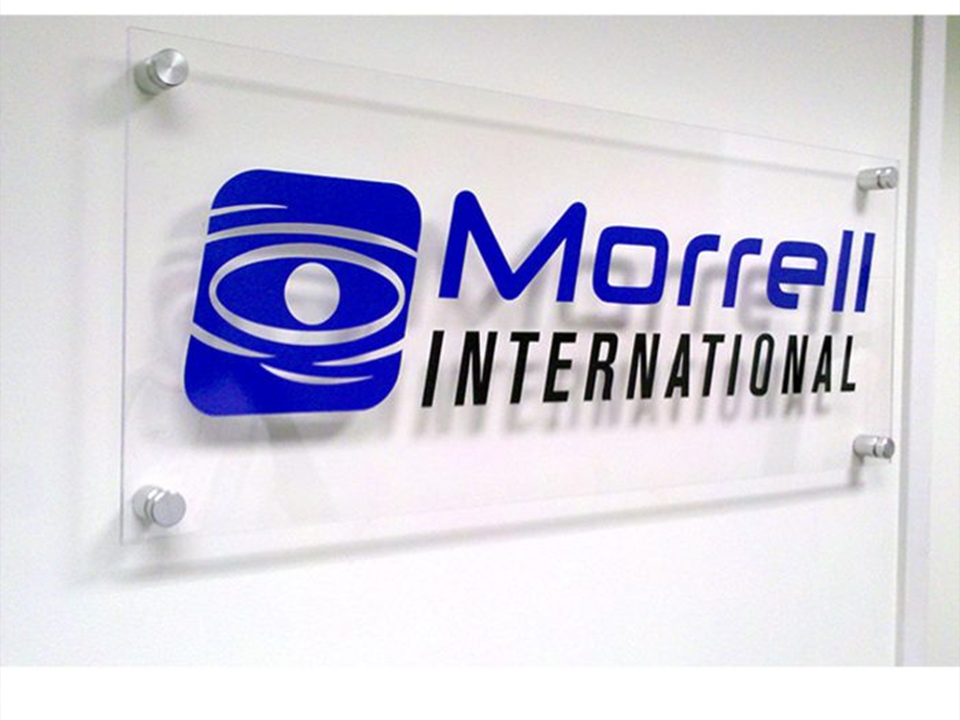
Acrylic Signs vs Wooden Signs Cost and Lifecycle Value
You won’t find a single rule for pricing because both acrylic and wood come in many grades and finishes. Instead, it’s more useful to think in terms of lifecycle value.
With acrylic signs:
- You get predictable quality from batch to batch, which is critical for roll-outs and OEM/ODM supply.
- Once the toolpaths and jigs are set, we can run consistent production for long series with stable specs.
- Less maintenance and longer visual life usually mean a better return over the whole project duration.
With wooden signs:
- Raw material variation is higher: each plank behaves differently.
- Hand finishing and rework time can be harder to control, especially on complex shapes.
- If you plan frequent refurb cycles, wood can work. For long-term lock-in, it can become more expensive in the background.
For B2B buyers, the real question is: how often are you prepared to refresh or rework signage across the network? If the answer is “not for a while”, acrylic almost always offers a more stable cost picture.
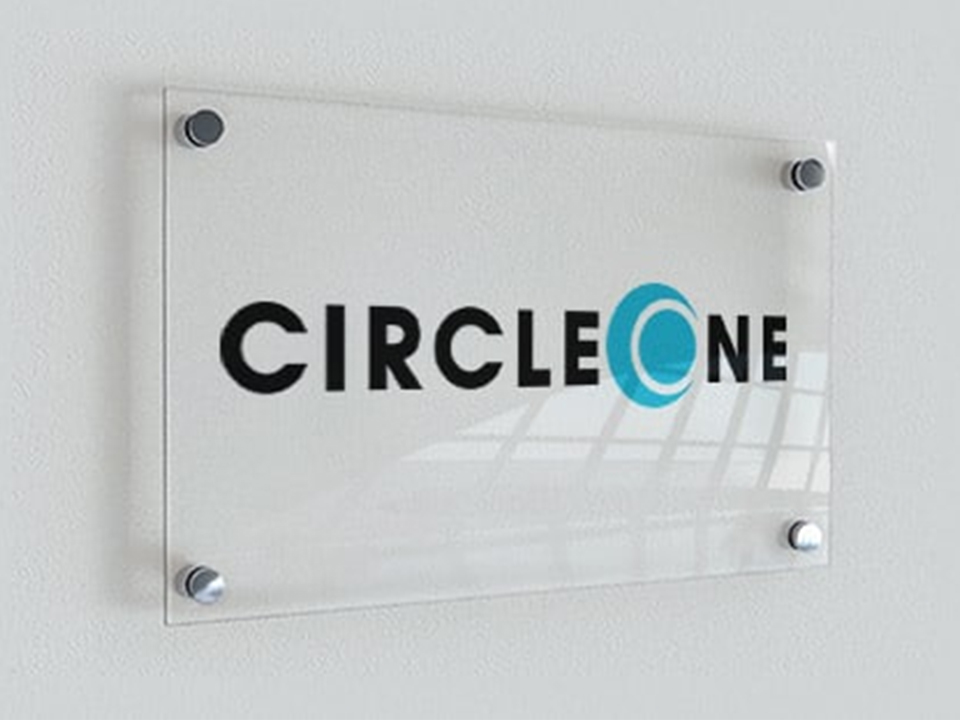
Acrylic Signs vs Wooden Signs Environmental and Sustainability Considerations
Sustainability now sits in almost every RFP. Both materials can support greener choices if you manage them the right way.
Wooden signs:
- Wood is a renewable material when sourced responsibly.
- Clients often read “real wood” as more eco-friendly at first glance.
Acrylic signs:
- Acrylic is a plastic, but a long-life one. A sign that stays in place for many years avoids repeated production and shipping.
- We can specify recycled or eco-focused acrylic grades for certain projects.
- Precision cutting and nesting in production help reduce scrap, especially when you integrate everything into a TSM (Total Solution Manufacturing) program.
If you balance longevity + source + waste, the gap between the two materials can be smaller than it first looks. A recycled acrylic sign that runs through several store cycles can be more sustainable than a wood sign that needs regular replacement.
Acrylic Signs vs Wooden Signs Feature Comparison Table
Here’s a quick side-by-side view you can share with your team:
| Aspect | Acrylic Signs | Wooden Signs |
|---|---|---|
| Durability | Strong, stable, resists moisture and warping; ideal for long-term use in varied climates. | Sensitive to humidity and UV; can warp, crack, or peel without regular protection. |
| Weather Resistance | Performs well in indoor and semi-outdoor settings; suitable for malls, corridors, and canopies. | Needs careful sealing for outdoor use; surface ages faster under sun and rain. |
| Maintenance | Easy to clean with mild detergent; low ongoing care. | Requires periodic re-coating or repainting to keep a fresh look. |
| Aesthetics | Modern, clean, “glass-like”; works well with lighting and detailed graphics. | Warm, natural, rustic; each piece has unique grain and character. |
| Brand Fit | Ideal for corporate, tech, beauty, medical, and premium retail environments. | Ideal for cafés, craft, heritage, rural, and eco-style concepts. |
| Consistency | High repeatability for bulk, OEM/ODM and multi-store roll-outs. | More variation between pieces; harder to lock in identical look across many sites. |
| Sustainability | Long service life, option for recycled acrylic, efficient TSM production reduces waste. | Renewable material when sourced well, strong “natural” perception. |
| Typical Use | Indoor logos, POS displays, lightboxes, door plates, event backdrops. | Shopfront plaques, rustic wayfinding, themed décor in hospitality and tourism. |
Acrylic Signs vs Wooden Signs Applications and Use Cases
Acrylic Signs for Retail, POS and Display Programs
In retail, acrylic signs have become a standard for POS and fixture programs:
- Branded shelf strips and small counter displays.
- Hanging logo panels and directional signage in malls.
- Light-up feature walls for new product launches.
Acrylic works especially well when it’s part of a full system of displays and fixtures. You can match it with custom acrylic display stands, acrylic boxes, and trays to keep everything on brand from window to checkout.
For events and pop-ups, acrylic is also flexible. Think of acrylic backdrop signs for photo walls or sponsored stages. You can reuse them across several activations if you keep the design smart.
Wooden Signs for Hospitality and Rustic Concepts
Wood still shines when the whole concept is built around atmosphere:
- Farm-to-table restaurants with menus on chalkboard-style wooden panels.
- Lodges with carved wooden wayfinding and room markers.
- Craft breweries pushing “local and handmade” stories with timber frontage.
Here, the slight ageing of wood can even support the look, as long as it doesn’t reach the point of damage or safety issues.
Mixed Signage Concepts Combining Acrylic Signs and Wooden Signs
You don’t always have to choose one material only. Mixed systems are common:
- Wood as the main backdrop panel to bring warmth.
- Acrylic logo and lettering on top for sharp edges and lighting.
- Acrylic wayfinding inside, wood feature signs at key touchpoints.
For example, a hotel might use warm wood for lobby décor but rely on personalized classroom and office door signs and hotel room signage in corridors to keep room numbers and icons clean and easy to read.
How to Choose Between Acrylic Signs and Wooden Signs for Your Project
When you’re shortlisting materials, a simple checklist helps:
- Environment
- Humid, coastal, or high-traffic area? Acrylic signs will usually handle that better.
- Sheltered, themed venue with strong story-telling? Wood can play a bigger role.
- Brand and CX
- Need a sharp, premium, “clean tech” feel? Go heavier on acrylic.
- Want warmth, nostalgia, or “handmade” positioning? Use wood on the key touchpoints.
- Scale and consistency
- Multi-store, multi-country roll-out with strict guidelines? Acrylic makes it easier to keep every SKU on spec.
- One-off venue or small chain with a unique concept? Wood can be worth the extra care.
- Operations and TSM
- If you want one partner to handle design for manufacture, prototyping, mass production, QC, and export packing, acrylic fits very well into a full TSM-style program.
- At our plant, the same team that fabricates custom acrylic signs, engraved acrylic discs, and other acrylic products also supports OEM/ODM clients with drawings, sampling, and bulk shipments.
If you’re planning a new signage package or a full store refresh and want to lean into acrylic, our acrylic fabrication manufacturer in China team can help you spec the right sheet, thickness, finish, and mounting for your project. You can also dive deeper into process details in our acrylic fabrication guide.
In the end, acrylic signs and wooden signs are both solid tools. The best pick is the one that fits your brand, your locations, and your long-term rollout plan.







 English
 French
 German
 Portuguese
 Spanish
 Dutch
Dutch Italian