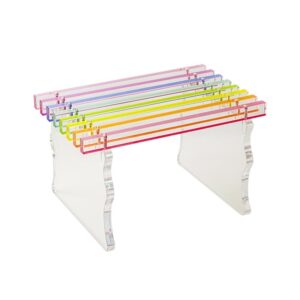
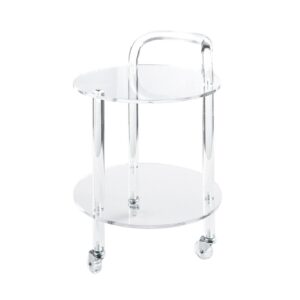
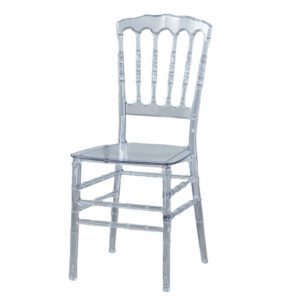
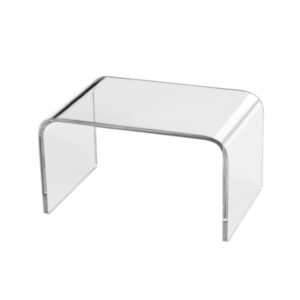
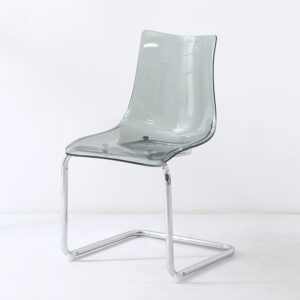
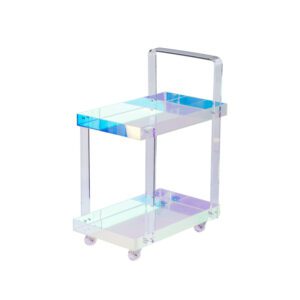
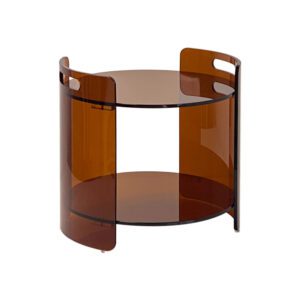
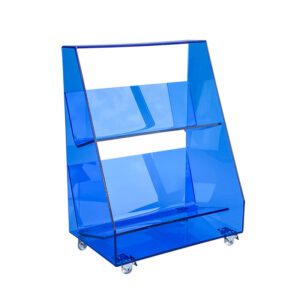
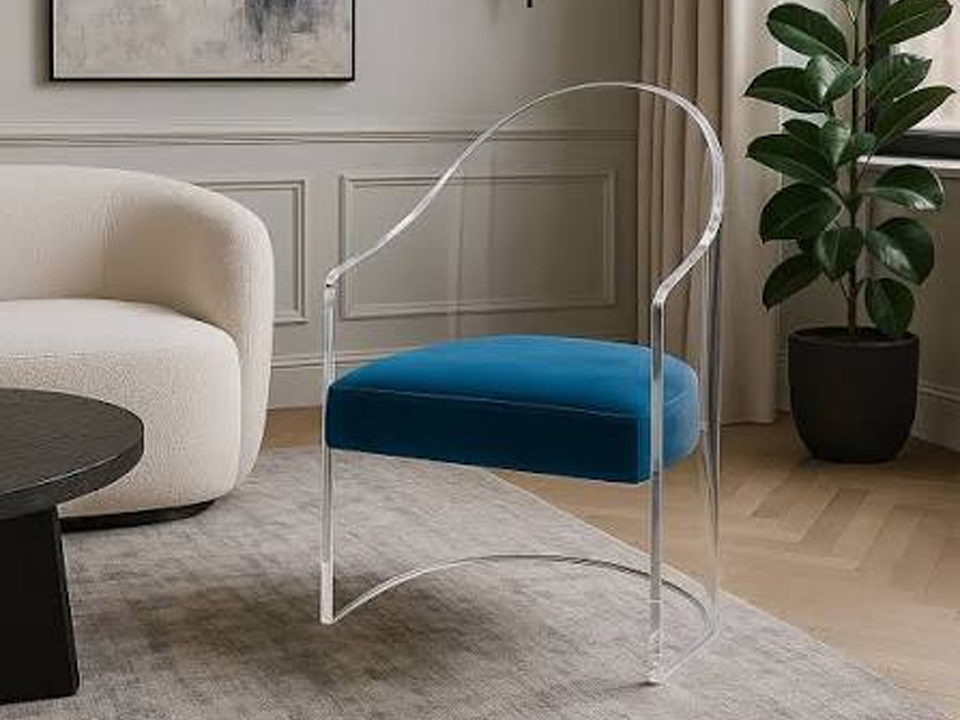
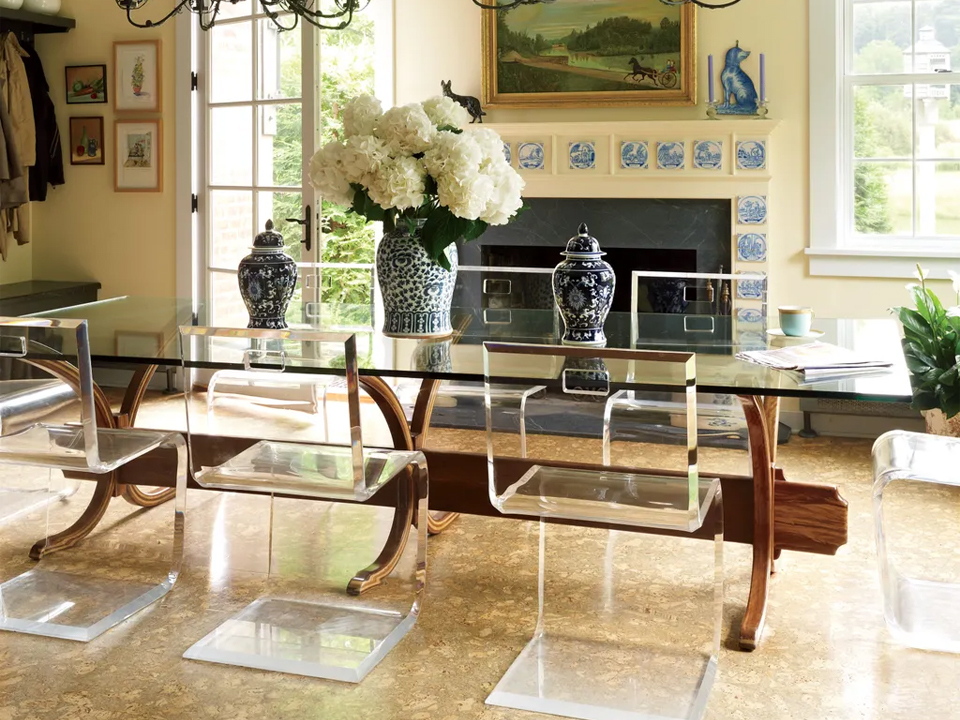
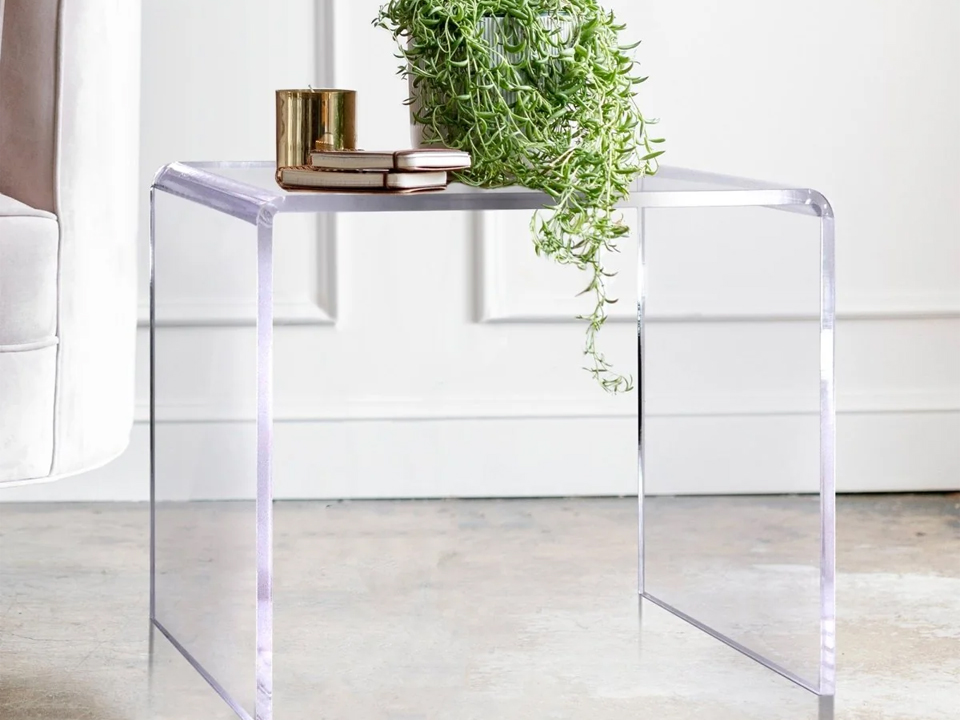
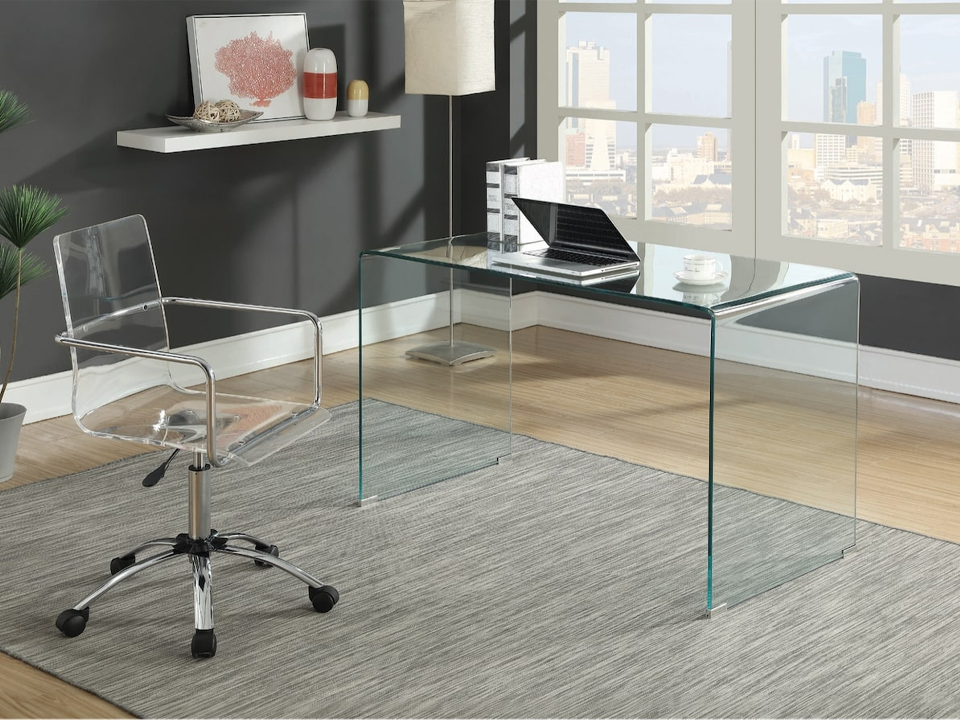
Made-to-order acrylic furniture is fabricated partly or entirely from acrylic, or PMMA, to specified dimensions, shape, thickness, transparency, color, finish, function, and style. Clear acrylic can create a sleek, visually light presence, while colored or textured options support a more distinctive design. Commercially, PMMA is also encountered under brand-related names such as PLEXIGLAS® and Lucite; PLEXIGLAS® is a PMMA brand, and Lucite products include PMMA acrylic resins. Customization lets the furniture respond to the room rather than standard retail sizing.

Custom Acrylic Furnitures

A custom design is developed around a specific space, use, and visual brief rather than a fixed stock specification. A fabricator can develop a table, coffee table, dining table, desk, console, chair, stool, pedestal, shelving unit, cabinet, storage element, or display piece using acrylic as the primary material or within a mixed-material composition.

This approach can suit a home, office, retail display, hospitality interior, wedding installation, event environment, or other residential and commercial setting.

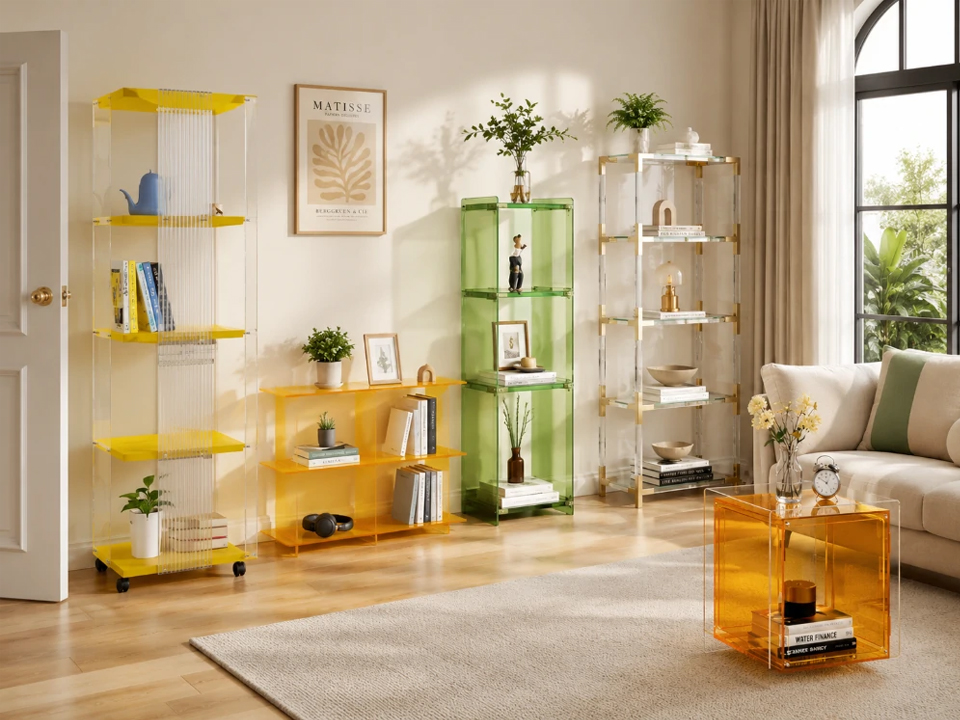
Transparency gives acrylic visual lightness, helping furniture occupy physical space without appearing overly heavy. Crystal-like clarity can suit contemporary rooms, while tinted, frosted, or vibrant material can become a decorative accent.

Acrylic is often valued as a lightweight yet strong, shatter-resistant material, but it is not indestructible and can scratch. Material selection, proportions, and detailing matter when durability and long-term appearance are priorities.

Custom Acrylic Furnitures

Made to Order Design Options for Size, Finish, and Functionality

A made to order project can be tailored around size, geometry, acrylic thickness, transparent or colored appearance, edge treatment, polishing, joinery, and furniture configuration. Designers can also customize shelf spacing, storage, leg position, clearances, aesthetic details, and functional requirements.

The goal is not novelty for its own sake. The best solution balances aesthetics and functionality with intended use, surrounding decor style, circulation, and room proportions. Subtle details can bespeak elegance; bolder forms can create an exclusive, stylish focal point.

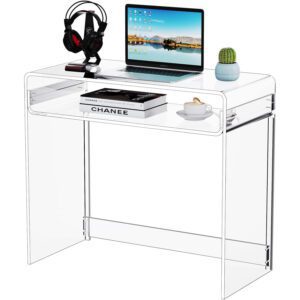
An acrylic coffee table can keep a living space visually open while providing a practical surface. A tailored desk can respond to equipment, seating, and cable-management needs; a console can fit an entry or narrow circulation zone; and dining tables can be developed around seating count and room scale.

Other applications include retail fixtures, pedestals, event displays, accessory stands, reception furniture, hospitality pieces, and branded installations. Each design should be evaluated for its actual use, traffic level, and environment.

Craftsmanship, Precision Fabrication, and Attention to Detail

Quality acrylic fabrication can involve precision cutting, CNC machining, routing, drilling, forming or bending, polishing, bonding, edge finishing, and assembly. Published PLEXIGLAS® processing guidance covers cutting, forming, bonding, drilling, sanding, and polishing, and notes that polishing can restore machined edges to a high-gloss, transparent finish.

Craftsmanship matters because small inconsistencies can be conspicuous in a transparent form. Accurate geometry, refined edges, clean bonds, and careful assembly support clarity, fit, elegance and functionality. Skilled handcraft may complement machine processes during finishing, while a hand crafted result should feel intentional from every viewing angle.

Custom Acrylic Furnitures

Interior Design Pairings for Luxury Acrylic Furniture

In interior design, acrylic can be paired with wood, metal, stone, upholstery, or glass to create contrast without losing visual balance. A clear base can let a stone top feel lighter; warm wood can soften a contemporary composition; metal details can introduce structure and rhythm.

Material pairings should follow the décor, scale, and use of the room. An innovative form may suit a gallery-like setting, while restrained geometry can integrate quietly into a luxury setting. The strongest concept supports the overall aesthetics rather than competing with them.

Start a Bespoke Acrylic Furniture Project

A successful custom piece begins with a clear brief. Provide the furniture type, dimensions, inspiration or reference images, preferred clarity or color, thickness requirements, intended application, material combinations, quantity, and delivery location. These details make quotation more accurate and help tailor the concept to the project.

For an exceptional finish, ask how edges, joints, polishing, assembly, protective handling, and shipping will be addressed. A portfolio or best sellers gallery can provide useful references without limiting the final craft to an existing model.

Custom Acrylic Furnitures

Yes. Dimensions can be tailored to the available space, furniture function, proportions, and installation constraints, subject to appropriate material and structural decisions.

Many forms can use acrylic, including occasional tables, desks, consoles, shelving, stools, pedestals, display fixtures, and selected dining pieces.

It depends. Thickness should be chosen around span, geometry, load, joint design, material grade, and intended use rather than appearance alone.

Yes. Acrylic can be integrated with wood, metal, stone, upholstery, and other materials when connection details and structural requirements are properly resolved.