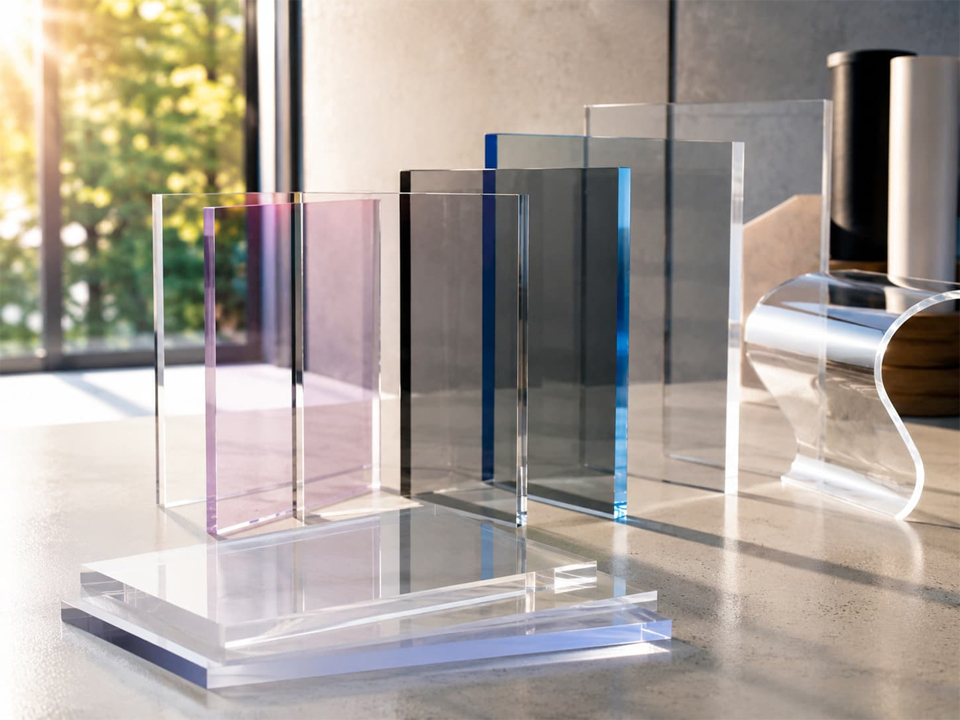
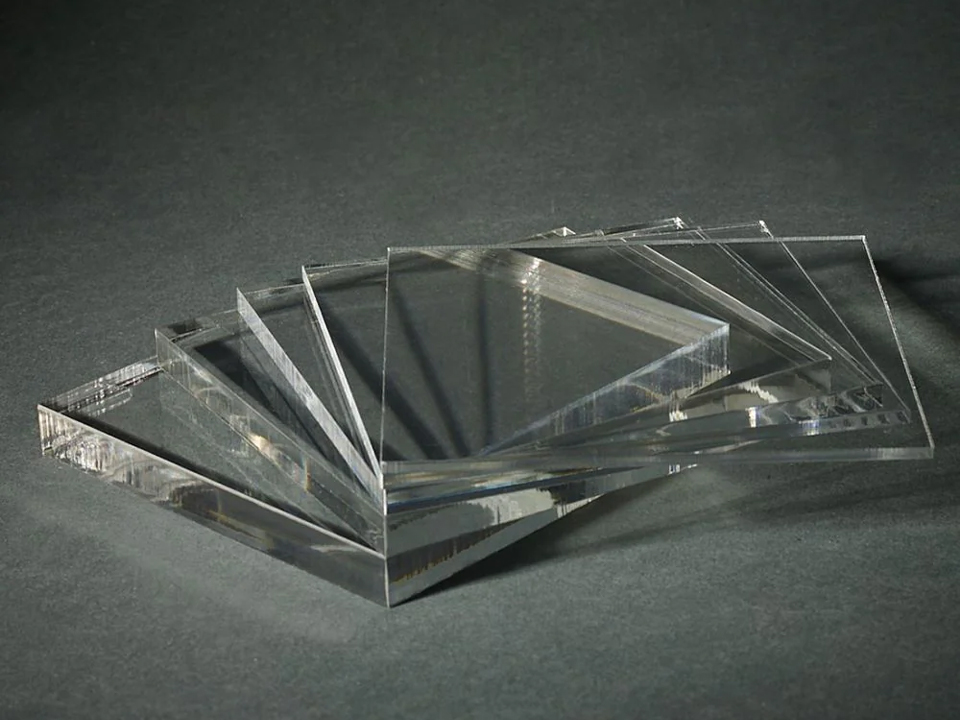
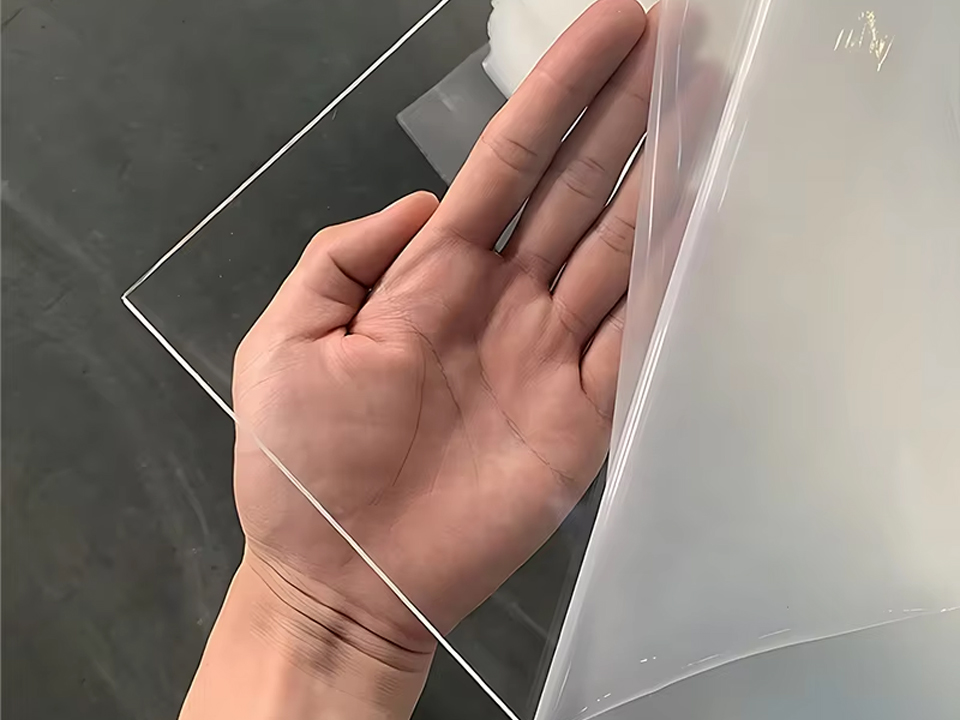
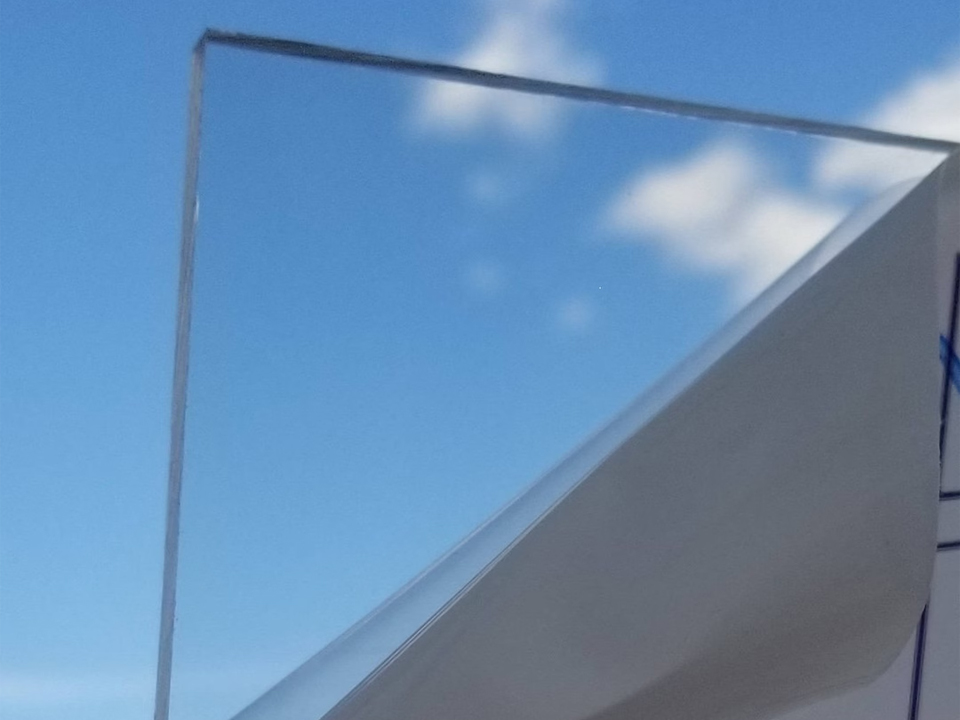
Custom acrylic sheets are acrylic/PMMA panels manufactured or fabricated to a buyer’s required dimensions, thicknesses, colors, finishes, holes, cutouts, or custom shapes instead of being supplied only as standard stock material. They provide a practical way to order project-ready plastic components with less on-site trimming. Send your dimensions, quantity, and design requirements to request a custom quote.

Custom Acrylic Sheets

Custom acrylic panels are tailored to exact dimensions and design requirements for a specific project. Acrylic is PMMA, or polymethyl methacrylate, a rigid thermoplastic used where transparency, low weight, and practical processing are needed. It is also commonly called acrylic glass.

PLEXIGLAS® is a registered brand; PERSPEX® and Lucite® are also encountered as brand-related names associated with acrylic products. Buyers may also search for plexiglass, plexiglass sheet, acrylic plexiglass, plexiglass and acrylic, or plexiglass acrylic sheets. Confirm actual brand names and material grades with the supplier. Cast or extruded acrylic sheets may be available depending on the project.

What Sizes and Thicknesses Can Be Custom Cut?

An acrylic sheet can be cut to size around a drawing, measured opening, fixture, sign face, guard, or other exact specifications. Provide length, width, thickness, quantity, hole locations, cutouts, radii, notches, slots, and edge profiles. A cut-to-size service can also produce rounded corners. This customization can reduce secondary trimming.

Thickness selection should reflect span, support, load, installation method, and required rigidity. Availability varies, so request the needed dimension rather than assuming every size is stocked. For cut plexiglass sheets or a custom cut acrylic part, submit a dimensioned drawing when geometry matters.

Custom Acrylic Sheets

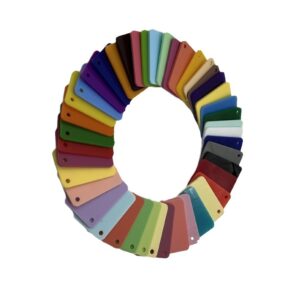
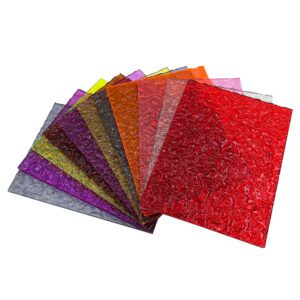
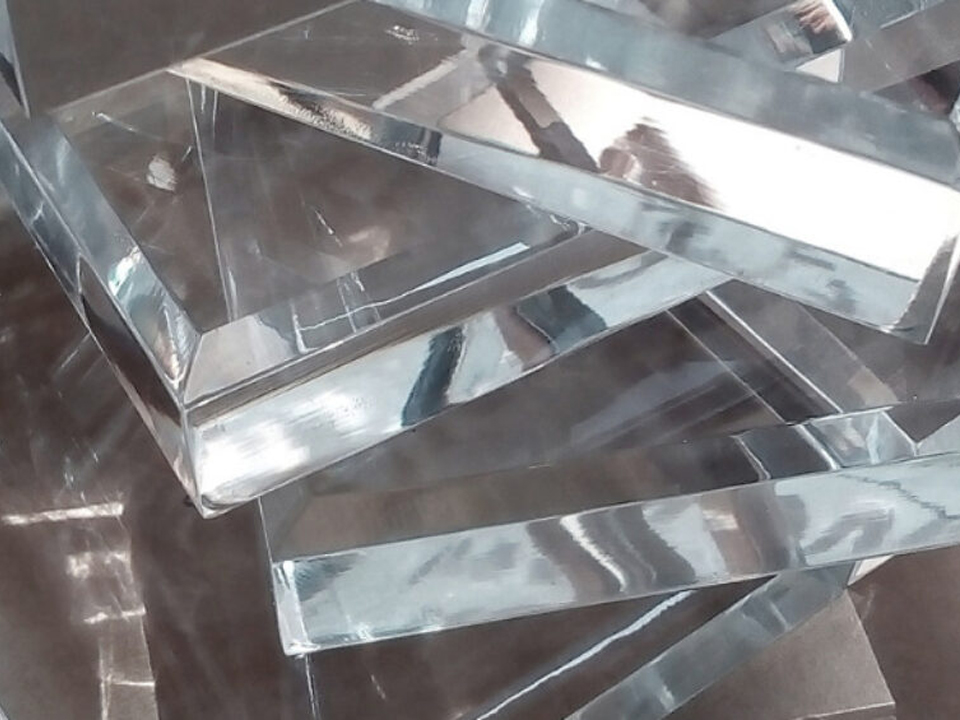
Appearance can be specified for visibility, privacy, branding, reflection, or light control. Common choices include a clear acrylic sheet, clear plexiglass, colored and transparent acrylic sheets, translucent panels, opaque colors, frost or frosted surfaces, and mirrored finishes. An acrylic mirror or mirror acrylic sheets may suit decorative displays and lightweight reflective panels.

For illuminated work, backlight features may use material selected for light diffusion. Surface texture, gloss, matte appearance, tint, crystal-clear presentation, and optical quality can also affect the result. UV behavior is grade-dependent. If you need UV resistant material, or a weather resistant acrylic grade described as ideal for outdoor use, state the exposure conditions.

Custom-cut acrylic can be processed by CNC machining, drilling, sanding, polishing, bending, bonding, thermoforming, or engraving, depending on the material, geometry, finish, and project requirements. A laser cut profile can create detailed two-dimensional geometry; CNC machining is useful for routed profiles, pockets, holes, and controlled features.

Edge finishing may include polished or flame-polished edges where appropriate. Custom laser cutting can create repeatable profiles, while heat forming can produce bends or three-dimensional parts. Acrylic is often described as easy to cut and easy to fabricate, but process choice affects edge quality, stress, and dimensional results. Send CAD or vector files when available.

Define the finished part, not only the raw sheet. Provide:

If you need custom plexiglass, custom cut pieces, or multiple identical parts, include the intended application and critical mating dimensions. This helps the fabricator recommend a practical production route without assuming unsupported tolerances or grades. Send your specifications for a quote.

Custom Acrylic Sheets

Where Are Acrylic Sheets Used?

The versatility of acrylic supports many commercial applications. Typical uses include signage, retail displays, menu boards, exhibition displays, windows and skylights, a skylight panel, architectural panels, furniture, a table top, a backsplash, and greenhouse glazing.

Fabricated parts can also serve as machine guards, a protective partition, a sneeze guard, equipment covers, an enclosure, pet enclosures, housings, and custom components for manufacturers and small businesses. Clear acrylic is often selected when visibility matters, while colored or frosted material can support privacy, branding, or display design.

Why Choose Acrylic Instead?

Acrylic is often chosen instead of traditional glass because it is lighter, offers high optical clarity, and is generally more impact-resistant while remaining practical to machine, drill, form, and mount. Lower weight can simplify handling, and appropriately designed panels may be easy to install with suitable framing or hardware.

That does not make acrylic unbreakable. Claims such as “stronger than glass” should be understood in the context of impact behavior, grade, panel geometry, support, and test method. Scratch resistance, heat performance, UV exposure, and optical performance vary by product. For demanding glazing or safety applications, select material around actual service conditions rather than a generic claim.

Custom Acrylic Sheets

Custom acrylic sheets are acrylic panels made or fabricated to specific dimensions, thicknesses, colors, finishes, or shapes for a particular project. Acrylic is PMMA, or polymethyl methacrylate, a rigid thermoplastic commonly used for clear panels, displays, signs, glazing, guards, and fabricated components. Customization can include holes, cutouts, shaped edges, engraving, polishing, or other processing depending on the supplier and project requirements.

Yes. Acrylic sheets can be cut to size and fabricated into rectangles, circles, panels, and more complex custom shapes. Depending on the required design, fabrication may also include drilled holes, slots, cutouts, polished edges, machining, bending, or bonding. For accurate quoting and production, buyers should provide finished dimensions and a drawing or CAD file when the part has detailed geometry.

Acrylic is available in clear, colored, transparent, translucent, opaque, textured, light-diffusing, and mirrored options, although exact availability depends on the manufacturer and supplier. PERSPEX®, for example, offers solid opaque, translucent, and transparent acrylic ranges, while other acrylic product lines include non-glare, patterned, and mirror surfaces. Choose the appearance according to visibility, privacy, branding, lighting, or decorative requirements.

Acrylic can be a practical alternative to traditional glass when lower weight, impact resistance, optical clarity, and fabrication flexibility are priorities. Acrylic sheet has glass-like transparency while weighing about half as much as glass, and it can be machined, drilled, bonded, and thermoformed. However, acrylic is not unbreakable, and factors such as scratching, heat, chemical exposure, and the required material grade should be considered for each application.

rovide the length and width, thickness, quantity, color or transparency, surface finish, edge requirements, and any holes, slots, cutouts, engraving, bending, or other fabrication requirements. For custom-cut acrylic parts, include a dimensioned drawing, CAD file, DXF, vector file, or other design specification where applicable. Also mention the intended application if factors such as outdoor exposure, optical appearance, impact resistance, or light diffusion are important. Send your specifications and drawings to request a custom acrylic fabrication quote.