A Custom Acrylic Product Guide helps Global buyers select the right PMMA grade, thickness, finish, fabrication method and quality standard for a specific application. It clarifies cast versus extruded acrylic, design-for-manufacturing choices, tolerances, compliance needs and sourcing questions so teams can reduce prototyping risk, control cost and approve production faster.

Compare materials, technical specifications, customization methods, factory capabilities and quality controls before requesting your next wholesale or OEM acrylic quotation.

Resources
Resources
Resources

Acrylic, also known as polymethyl methacrylate or PMMA, is available in several grades, colors and finishes. The correct selection depends on optical requirements, dimensions, machining, forming, environmental exposure, installation and order volume.

Cast acrylic is commonly considered for premium presentation, engraving, polishing, thicker components and more complex fabrication. It is frequently used for awards, luxury displays, precision parts and high-visibility branded products.

Extruded acrylic is often evaluated for repeatable sheet components, cost-controlled signs, covers, formed parts and larger-volume programs. Final selection should be confirmed through drawings, samples and application testing.

2004

Company founded

80%

Products exported

7–15 days

Typical production

Five trade teams

International support

From product concept and rapid prototyping to precision fabrication, custom finishing, assembly and global delivery, our integrated OEM/ODM services help B2B buyers turn acrylic designs into scalable, production-ready products.

Integrated OEM and ODM support

From concept to export, one acrylic partner handles material selection, prototyping, fabrication, assembly and inspection.

Broad precision-fabrication capability

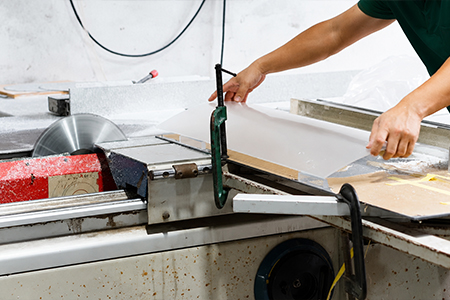
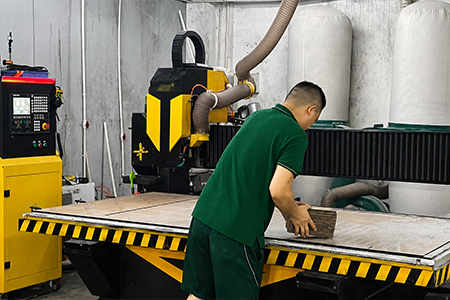
Combine CNC routing, laser cutting, engraving, drilling, bending, bonding, polishing and assembly for complete custom acrylic products.

Multiple branding and finishing methods

Customize acrylic products with UV or screen printing, engraving, specialty colors, polished edges, lighting and branded packaging.

International Global project support

Customize acrylic products with UV or screen printing, engraving, specialty colors, polished edges, lighting and branded packaging.

Resources
Resources
Resources
Resources
Resources
Resources

Integrated Acrylic Manufacturing & Quality Assurance

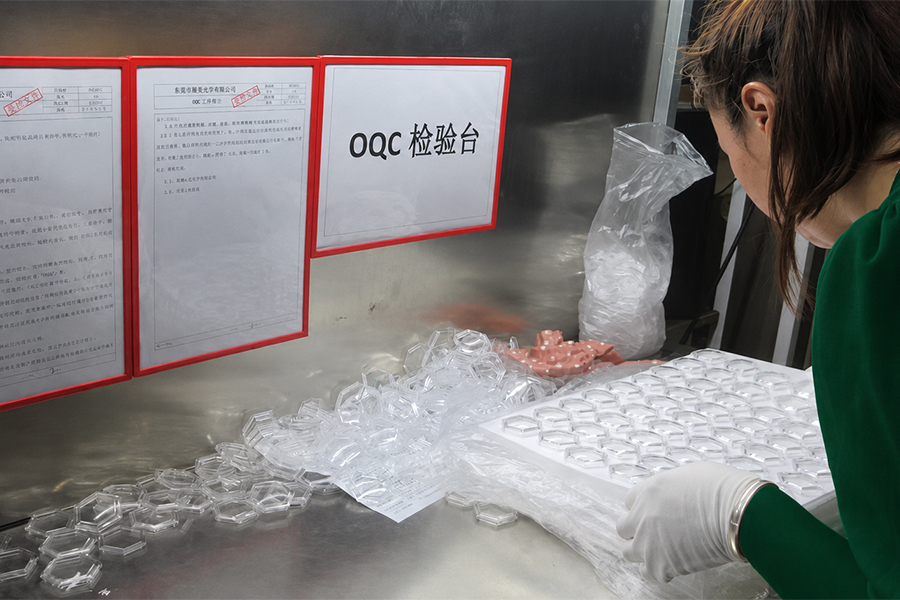
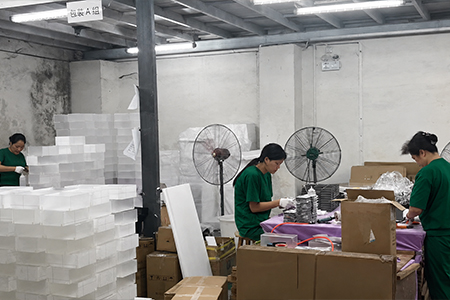
Founded in 2004, Dongguan TSM Acrylic Products Co., Ltd. describes its operation as an integrated manufacturer combining research and development, product design, high-volume production and global sales. A dedicated quality-inspection department monitors production from incoming raw materials through finished-product inspection.

Five-Step Acrylic Quality Control Process

Verify material grade, thickness, color, surface condition, protective film and supplier documentation before production begins.

1

Incoming material

Check grade, thickness, color, surface, protective film and supplier documentation.

2

Engineering review

Review drawings, tolerances, artwork, hardware, assembly, packaging and intended use.

3

Sample approval

Validate dimensions, finish, printing, fit and presentation before mass production.

4

In-process checks

Inspect critical dimensions, holes, bends, edges, bonding, print registration and assembly.

5

Final inspection

Confirm appearance, quantity, labeling, protective packaging and shipment documentation.

From retail displays and branded signage to OEM components, awards and exhibition fixtures, custom acrylic solutions combine optical clarity, lightweight construction and flexible fabrication for diverse commercial applications.

Retail & POP Displays

Create counter displays, product risers, cosmetic organizers, display cases, shelving and price holders that improve product visibility and in-store presentation.

Signage & Brand Displays

Produce logo signs, dimensional lettering, door plaques, menu boards, illuminated displays and branded panels for retail, office and event environments.

Corporate Awards & Recognition

Design custom trophies, recognition awards, commemorative plaques and personalized gifts that reinforce corporate identity across recurring recognition programs.

Hospitality & Interior Products

Customize menu holders, trays, organizers, furniture components, decorative panels, room signs and display boxes for hospitality and commercial interiors.

Industrial & OEM Components

Manufacture equipment covers, instrument windows, control-panel parts, machine panels, light guides, housings and assemblies to approved OEM specifications.

Art & Exhibition Displays

Create picture frames, easels, sculpture supports, display plinths, exhibition graphics and promotional fixtures for galleries, trade shows and brand events.

Find clear answers about custom acrylic design, material selection, prototyping, fabrication, quality control, OEM production, packaging and international project support. Learn what information to prepare and what to expect when developing custom acrylic products with TSM.

For an accurate quotation, provide the product dimensions, drawings or reference images, acrylic type, material thickness, color, transparency, surface finish, printing requirements, hardware, target quantity and delivery destination. You should also identify critical tolerances, load-bearing requirements, assembly conditions, packaging expectations and applicable compliance standards.

When complete technical drawings are unavailable, TSM can review sketches, photographs, samples or concept descriptions and help develop the information needed for prototyping and production.

Yes. Our acrylic product design and engineering team can evaluate concepts, sketches, CAD files, reference samples and application requirements. The team is led by an engineer with 20 years of industry experience and supported by professional product designers and an experienced acrylic prototype specialist.

We can assist with material thickness, structural design, joints, bends, bonding methods, hardware, printing, assembly and packaging before producing a prototype for evaluation.

Material selection depends on the product’s appearance, dimensions, fabrication process, mechanical requirements, operating environment and budget. We evaluate factors such as cast or extruded acrylic, sheet thickness, optical clarity, color, UV exposure, machining requirements, forming requirements and required tolerances.

Where a specific acrylic grade, light-transmission value, haze limit or technical standard is required, it should be stated in the RFQ and confirmed in the approved material specification before production.

The approved quotation, drawing, material specification and sample are used as production references. Material type, thickness, color and other critical requirements can be documented before manufacturing begins.

Incoming materials can be checked against purchase specifications, supplier documentation and project requirements. TSM does not recommend changing an approved material or manufacturing process without written customer approval, particularly when the product has optical, structural, environmental or regulatory requirements.

The approved sample should function as the visual and dimensional standard for mass production. Final drawings, material specifications, colors, printing positions, tolerances, hardware, packaging and inspection criteria are confirmed before the order enters full production.

In-process inspections and final inspections are then completed against these approved references. For technically sensitive projects, buyers can also request first-article inspection records, production samples or pre-shipment inspection before the full order is released.

Common acrylic problems can include surface scratches, bubbles, warping, crazing, glue marks, rough edges, poor polishing, inconsistent transparency and misaligned printing. Preventing these defects requires appropriate material handling, machine settings, forming temperatures, bonding techniques, polishing methods and protective-film management.

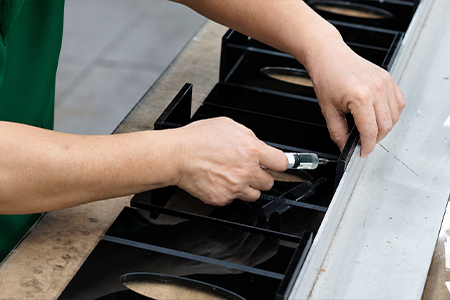
TSM completes cutting, machining, bending, polishing, printing, bonding and assembly within its own facility. Quality checks can cover surface condition, edge quality, dimensions, printing alignment, bonding appearance, product stability and cleanliness.

Our quality-control process begins with incoming material inspection and continues through fabrication, printing, assembly, packaging and final shipment approval. Depending on the product, inspections may cover:

Project-specific inspection standards can be agreed upon before production.

TSM’s available certifications and compliance documentation include ISO 9001, ISO 14001, BSCI, RoHS, REACH and SGS testing reports. Material-specific or product-specific documentation can be reviewed according to the destination market and intended application.

For projects with regulatory requirements, buyers should identify the exact standard, test method, restricted-substance requirement or report format during the quotation stage. Certificate scope, issuing organization, report date, tested material and applicable product model should be verified before relying on a document for compliance approval.

ASTM D4802 may be specified when a project requires qualifying PMMA acrylic sheet. Buyers should state the required standard version, material category, finish, thickness tolerance and any additional optical or mechanical requirements in the RFQ.

Compliance should not be assumed solely because a product is described as acrylic. TSM will review the requested standard against the available material grade and supplier documentation before confirming whether the selected sheet and finished product can meet the project requirement.

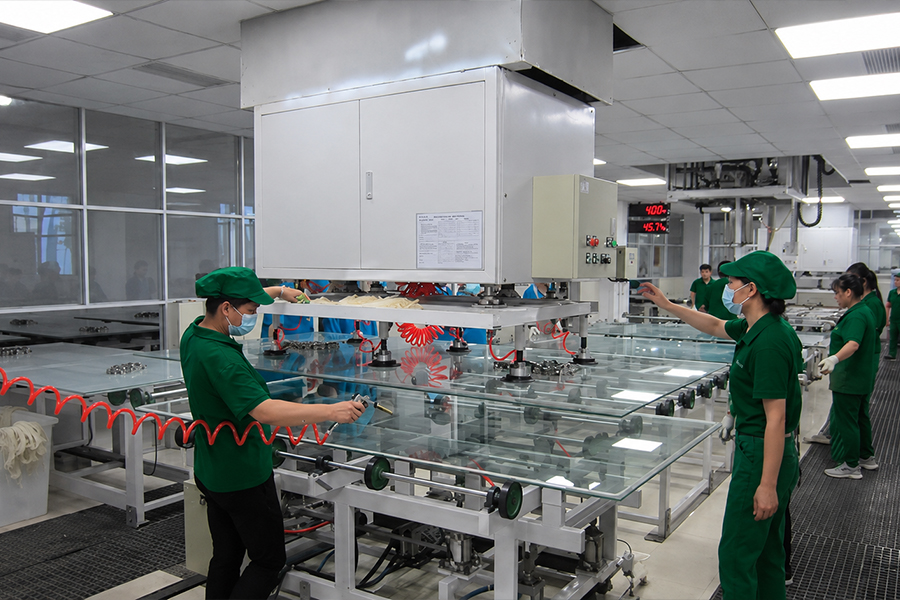
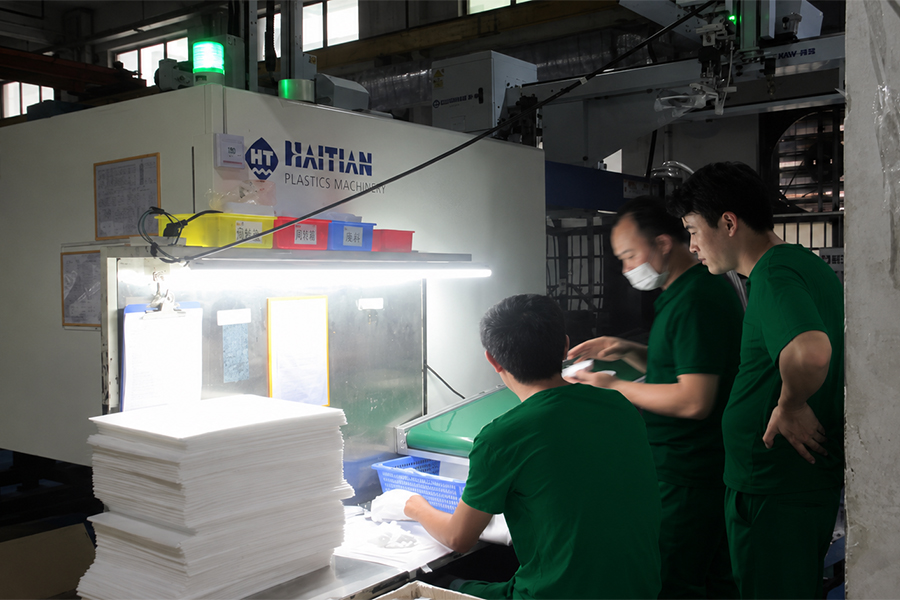
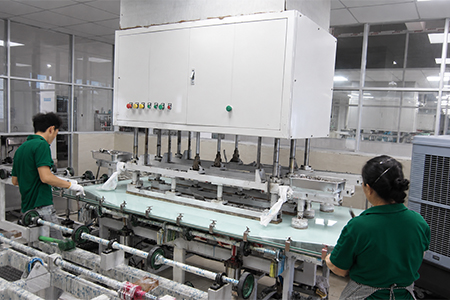
TSM operates from a self-built 10,000-square-meter facility with more than 90 sets of professional machinery and multiple production lines. The factory supports prototyping, repeat orders and high-volume custom acrylic manufacturing.

Lead time depends on product complexity, material availability, prototype approval, printing, assembly, packaging and order quantity. Before confirming an order, our team reviews the required delivery date, production capacity and shipping plan. Important campaign, store-opening or installation deadlines should be communicated at the beginning of the project.

Packaging is designed according to the product’s size, shape, weight, surface sensitivity and transportation method. Depending on the project, protection may include retained protective film, individual bags, foam separators, corner protection, molded inserts, inner cartons, reinforced export cartons or wooden cases.

Packaging should be approved during sample development for fragile, polished or high-value products. Buyers can also request specific carton labels, shipping marks, pallet requirements or packaging tests when products will be distributed to multiple stores or project locations.

Buyers can request factory photographs, equipment information, production videos, certification documents, audit records, material reports, product samples or an on-site or video factory inspection.

Founded in 2004, TSM operates a 10,000-square-meter manufacturing facility with more than 150 employees and over 90 sets of production equipment. Approximately 80% of the workforce has more than 10 years of acrylic-industry experience, while five domestic and international trade teams support project communication and order management. Buyers should independently verify documents and capabilities relevant to their specific program.

Start Your Custom Acrylic Project with a Production-Ready Quote

Send your 2D drawings, 3D files, reference images, material, dimensions, finish, order quantity and required delivery date. Receive a material recommendation, design-for-manufacturing review, sample plan, quality-documentation proposal, lead-time estimate and wholesale quotation.