
Table of Contents
If you’ve ever picked up an acrylic piece and thought, “This looks premium,” you’re not wrong. Acrylic sells because it feels clean, modern, and camera-friendly. The trick is turning that vibe into a repeatable business—not a one-off hobby.
This guide leans on the same framework you’d use for any craft brand (niche → plan → channels → pricing → production → marketing), but it stays laser-focused on acrylic crafts and the real-world stuff that decides whether you win orders or drown in rework.
If you’re sourcing, scaling, or building an OEM/ODM line, you’ll also want a manufacturing partner that can hold tolerances, keep surfaces clean, and hit deadlines. That’s exactly what we do at Custom Acrylic Product.
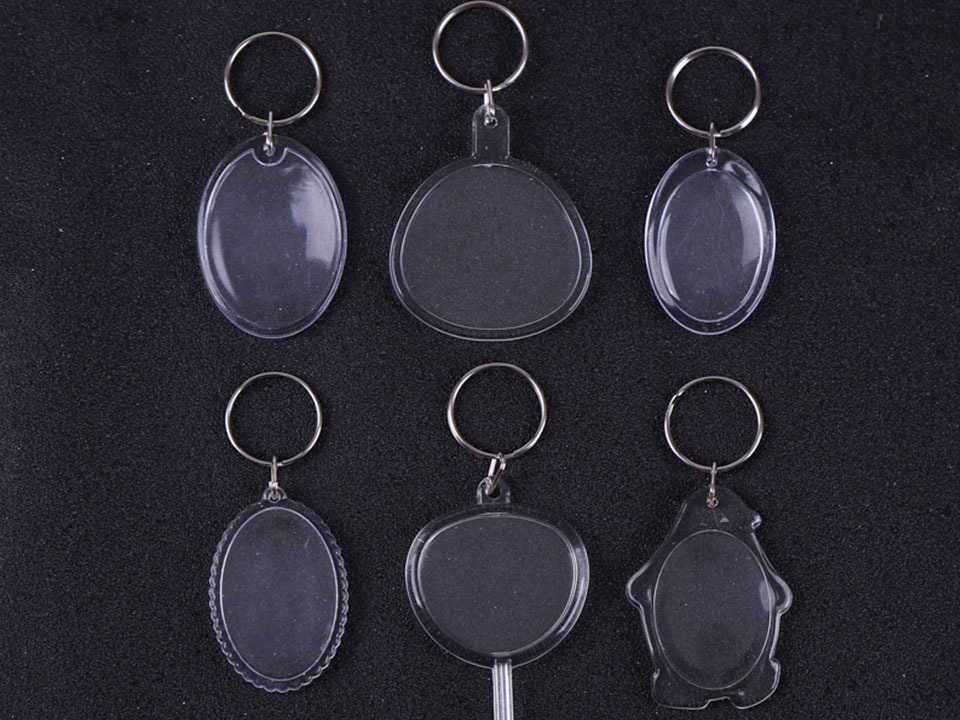
Acrylic crafts niche selection
Start with one lane. Acrylic is a huge category, so if you try to sell everything, you’ll market to nobody.
Here are niche angles that actually convert:
- Retail-ready visual merchandising: countertop units, risers, shelf talkers, POS signage.
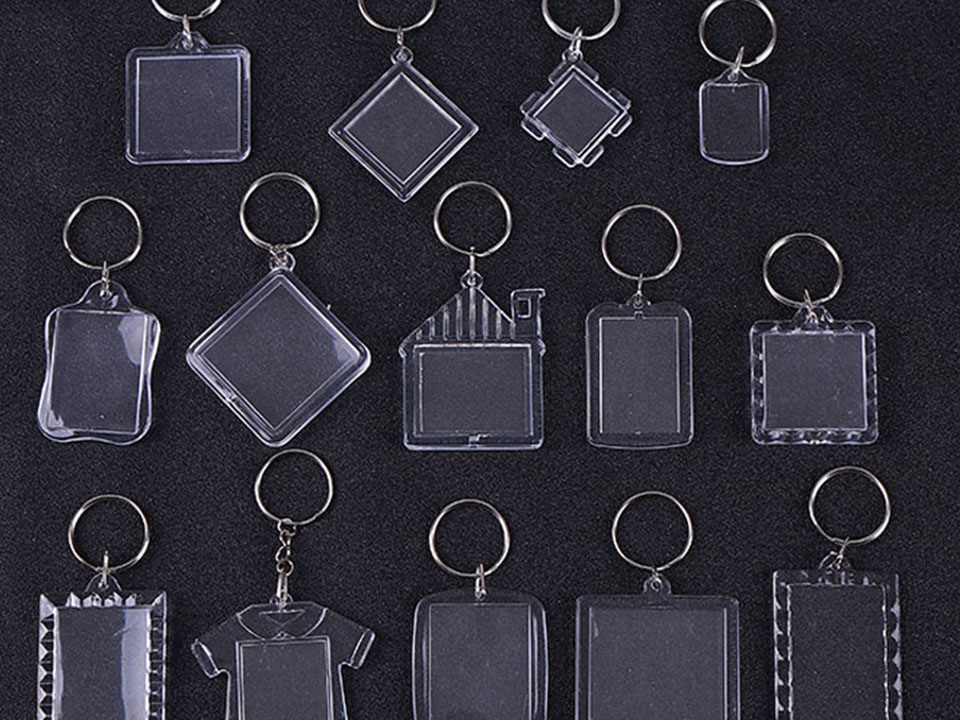
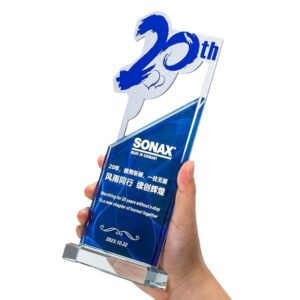
- Giftable personalization: name plates, photo blocks, keepsakes, mini awards.
- Hospitality + events: table numbers, bar menus, venue signage.
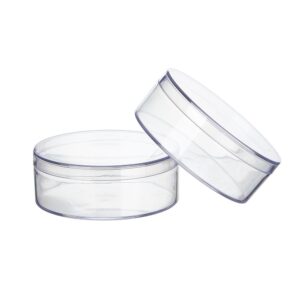
- Organizer culture: trays, boxes, display storage that looks good on camera.
If you want a product hub to anchor your niche, you can build around a core line like custom acrylic crafts.
Acrylic crafts product ideas for B2B buyers
B2B buyers don’t just want “pretty.” They want sell-through, fewer returns, and easy restocks. So pitch your crafts as tools that help them move inventory.
Example scenarios:
- A cosmetics retailer uses acrylic risers to “stack the planogram” and make the shelf look full.
- A specialty shop uses clean signage to reduce “Can I get help?” questions at the counter.
- A distributor wants a standard SKU set, predictable MOQ, and simple reorders.
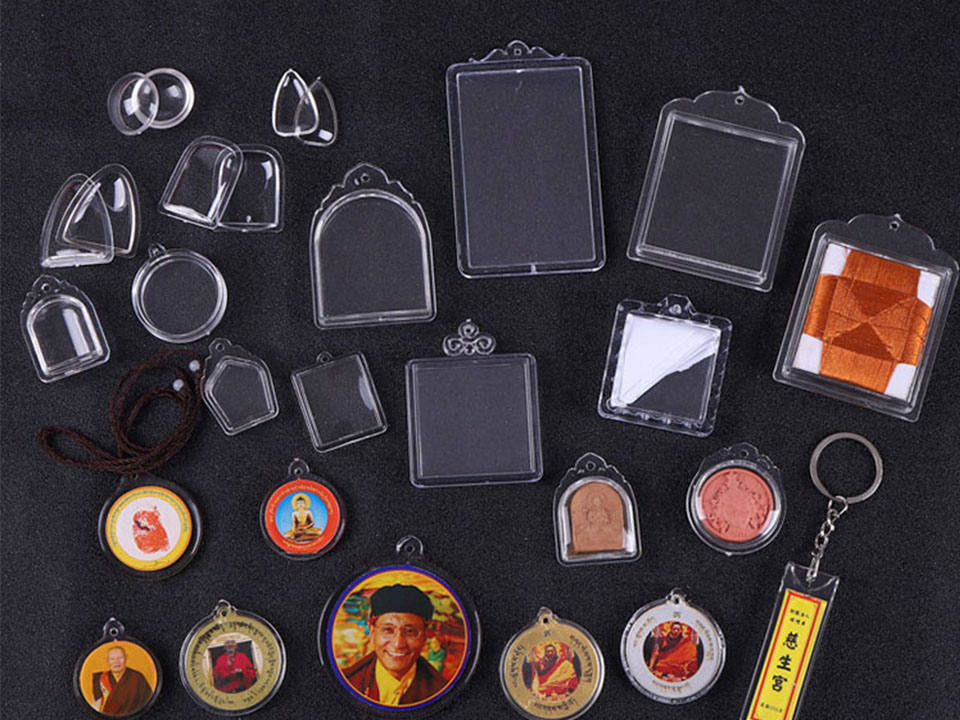
Business plan for an acrylic craft business
You don’t need a fancy deck. You need a plan you’ll actually use.
Focus on these questions:
- Who buys this—end customers, retailers, or wholesalers?
- What’s your “hero SKU” (the first product people remember you for)?
- What’s your production method—handmade, outsourced, or OEM/ODM?
- What’s your reorder loop—seasonal drops or always-on basics?
If you’re building a serious supply chain, your plan should include the boring stuff that saves you later: spec sheets, color standards, and a QC checklist.
Selling channels for acrylic crafts
Where you sell changes what you make. Full stop.
| Selling channel | Best for | What buyers care about | Operations reality |
|---|---|---|---|
| DTC (your own site) | Brand building | Story + premium look | You own traffic and support |
| Marketplaces | Fast demand testing | Reviews + photos | You compete on listing quality |
| Retail (B2B) | Bigger volume | Packaging, barcodes, planograms | More specs, less emotion |
| Wholesale/distributors | Repeat orders | MOQ, lead time, consistency | Tight processes win |
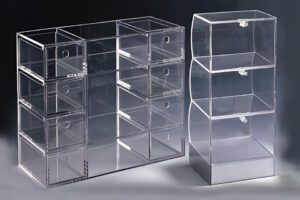
If you plan to sell into stores, acrylic displays and signage become your best friends because they directly affect conversion at shelf. Build your offer around custom acrylic displays and custom acrylic signs.
Wholesale acrylic crafts and bulk orders
When you move into bulk, you’ll hear the same words over and over: MOQ, lead time, pack-out, and “Can you match this color?”
That’s normal. Bulk buyers want predictability. You win by making it easy to buy again:
- Standard sizes and common variants
- Clean labeling and carton logic
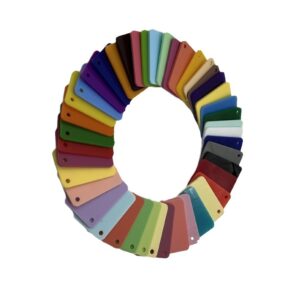
- A short list of “approved finishes” (gloss, matte, frosted)
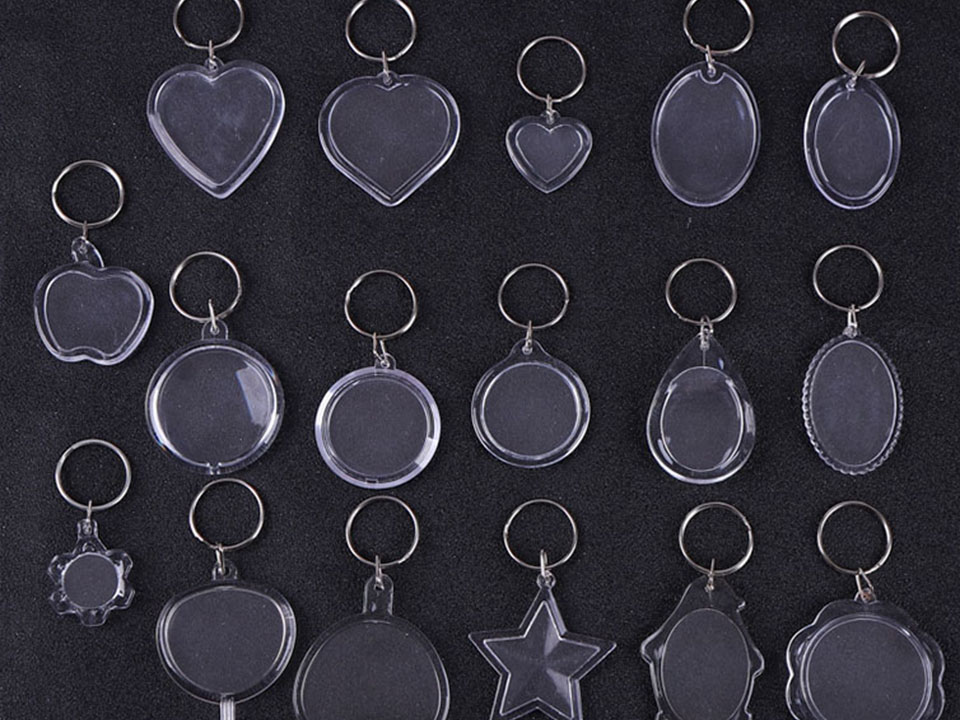
Pricing acrylic crafts for profit
Don’t price like a hobbyist. Acrylic crafts can look high-end, but only if you keep the finishing tight and the design intentional.
Instead of obsessing over pennies, manage the big levers:
- Complexity: more bends, layers, and assemblies create more touchpoints (more risk).
- Finish: polished edges and scratch-free surfaces raise perceived value.
- Customization: names, logos, and UV printing justify a higher bracket.
- Order profile: repeat B2B orders can support cleaner workflows than one-off DTC.
A simple rule that works: sell a “good/better/best” lineup so buyers self-select without endless negotiation. That also makes procurement teams happy when they run TSM (total spend management) and need clear tiers.
Acrylic fabrication basics
If you want fewer returns, treat fabrication like product engineering, not arts and crafts.
Acrylic businesses usually win or lose on:
- Material choice (clarity, thickness, color consistency)
- Edge quality (clean, polished, chip-free)
- Print durability (won’t fade or rub off)
- Assembly fit (no wobble, no stress cracks)
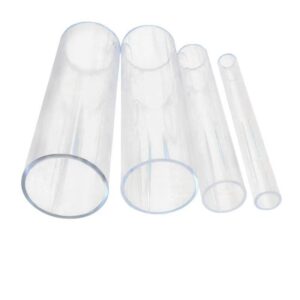
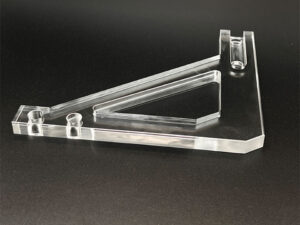
If you’re sourcing components, start with stable building blocks like custom acrylic sheets and custom acrylic rods and tubes.
Custom acrylic sheets for crafting and laser cutting
Sheets drive most acrylic craft lines. They’re your base for cutting, engraving, bending, and layering. Keep your specs tight:
- thickness ranges you’ll standardize
- protective film expectations
- edge finish requirement (flame polish vs. diamond polish vs. sanded)
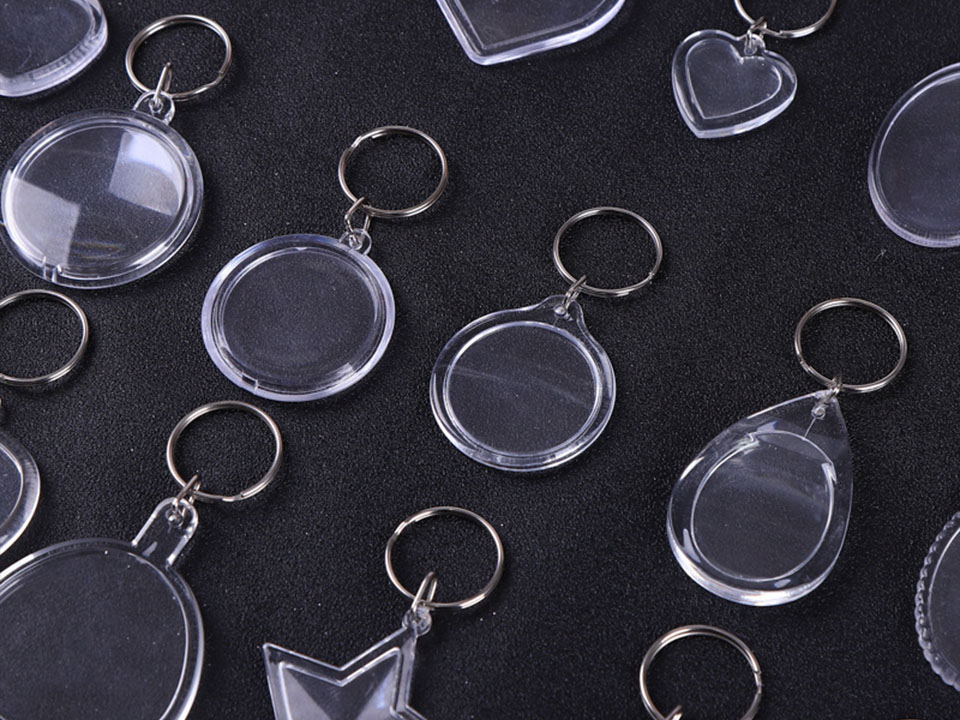
Product development and prototyping for acrylic crafts
Most people skip this and pay for it later in refunds and rework.
Do it like a pro:
- Create a simple drawing (even a clean sketch with dimensions helps).
- Build one prototype and stress it the way customers will use it.
- Run a mini “abuse test”: wipe it, stack it, ship it, unbox it.
If you want a clean process for turning ideas into production, use a guide like How to Customize.
Marketing acrylic crafts without sounding salesy
Acrylic sells with visuals. So show outcomes, not specs.
Content that works:
- “Before/after” shelf setups (empty shelf → acrylic risers → premium display)
- Short clips of light catching the edges
- Close-up shots that prove surface quality (no haze, no scratches)
- Use-case photos: bathroom vanity trays, countertop checkout displays, table signage in cafes
If you need product categories that naturally create marketing moments, custom acrylic trays are an easy win because people instantly understand the use.
OEM/ODM acrylic crafts and quality control
When you scale, your real job becomes risk control.
Here’s what serious buyers expect from an OEM/ODM acrylic supplier:
- Documented specs (materials, thickness, finish, print method)
- QC checkpoints (incoming, in-process, final)
- Consistent batch output (color and fit stay stable)
- Packaging that survives shipping without scuffs
If you’re comparing suppliers, ask about their QC workflow and standards. A quick overview lives here: quality control.
Next steps for selling acrylic crafts
Start small, but build like you plan to grow.
- Pick one niche and one hero SKU.
- Prototype fast and fix the weak points.
- Choose a channel that matches your order profile.
- Build a tight spec + QC routine so scaling doesn’t break you.
When you’re ready to talk specs, MOQ, or OEM/ODM production, reach out through our contact page.









 English
 French
 German
 Portuguese
 Spanish
 Dutch
Dutch Italian