Sustainable display products start with practical decisions: choose an appropriate material, design for a useful service life, avoid unnecessary material, and plan for end-of-life handling. For brands, retailers, designers, architects, and procurement teams seeking attractive acrylic solutions with lower environmental impact, responsible material choices can support project goals without relying on vague green claims. Share your application, quantities, design requirements, and sustainability goals to explore a suitable solution.

For acrylic products, sustainability means considering the material across sourcing, design, use, and disposal. Acrylic is a clear plastic commonly known as PMMA, or polymethyl methacrylate. Do not treat conventional material as biodegradable in project planning unless the specific product has evidence supporting that claim. Responsible selection instead focuses on service life, efficient specification, appropriate recovery pathways, and sourcing.

A useful sustainability and environmental brief should define expected life, required finish, repair or replacement needs, and end-of-life options. This makes environmental stewardship a design requirement rather than a marketing phrase.

Sustainability
Sustainability

Yes, recycled acrylic can be recyclable, but practical recovery depends on the grade, contamination, collection options, and available infrastructure. The polymer can be mechanically or chemically recycled in appropriate systems; for some clean extruded sheet streams, material can be ground, regranulated, and returned to extrusion.

That does not mean every finished product belongs in a curbside bin. Local recycling rules vary, and specialized facilities may be needed. A circular economy approach considers continued use before disposal, separation of components, and access to suitable recycling facilities; otherwise material may still go to landfill.

Recrylic is a branded recycled material option, while new acrylic is made from new feedstock. Buyers should compare available acrylic sheets for appearance, thickness, color, finish, UV exposure, adhesive compatibility, fabrication requirements, and supplier technical data.

SCS Global Services reported that Recrylic was the first recycled acrylic product line to achieve both SCS recycled-content verification and the Global Recycled Standard. That status belongs to the named product and should not be assumed for another supplier, fabricator, or finished item. Traditional acrylic may still be appropriate where a specific application cannot be met by an available recycled option.

How Does Recrylic Compare with Virgin Acrylic?

How Should Buyers Evaluate Recycled Material Claims?

Start with documentation for the exact sheet or product being quoted. Recycled content certification can verify defined claims against a standard, but the certificate scope, material identity, validity, and chain of custody still matter. Ask whether recovered feedstock is post-industrial, such as production scrap, or post-consumer, meaning material recovered after its intended use. SCS-103 addresses recycled-material claims, while GRS includes chain-of-custody and additional processing requirements.

For procurement, ask what evidence supports a certified recycled claim, whether it applies to the sheet or the finished fabricated item, and whether substitutions are permitted. Third-party verification is stronger than an unsupported environmental claim.

Sustainability
Sustainability

Good display design can cut material waste before fabrication begins. For display systems and point-of-sale fixtures, practical choices may include right-sizing panels, limiting unnecessary thickness, using replaceable graphics, reducing part counts, or allowing components to be separated at end of life.

Using eco-friendly acrylic should never mean choosing a material label without checking performance. For design projects, consider aesthetics, expected use, transparent versus colored material, coating requirements, transport, repairability, and disassembly. Material selection works best when visual, functional, and environmental needs are defined together.

How Can Manufacturing Reduce Waste and Environmental Footprint?

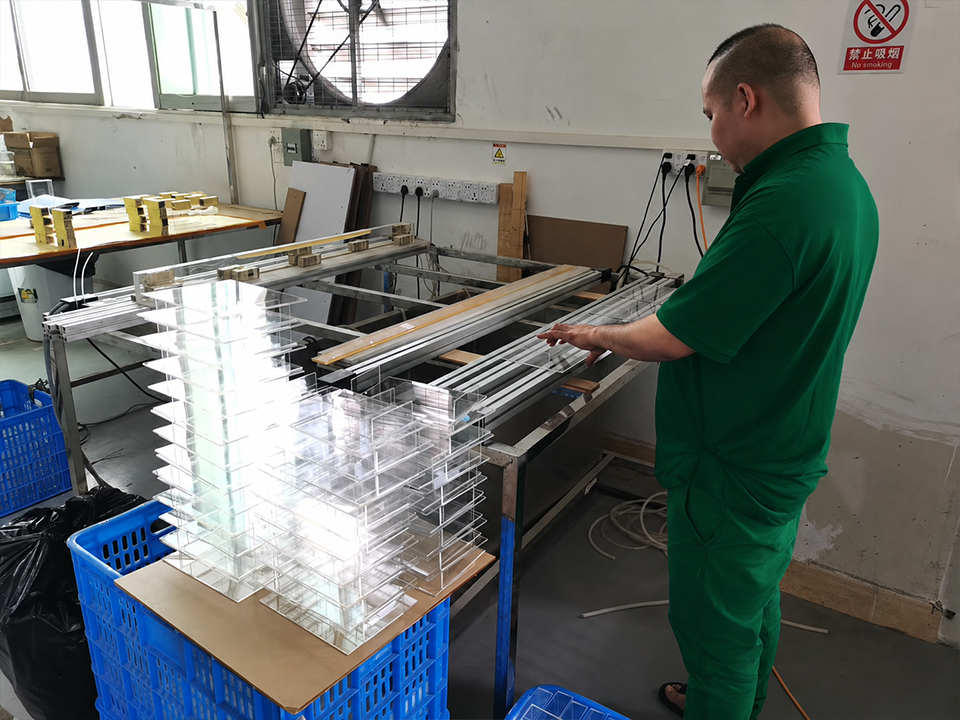
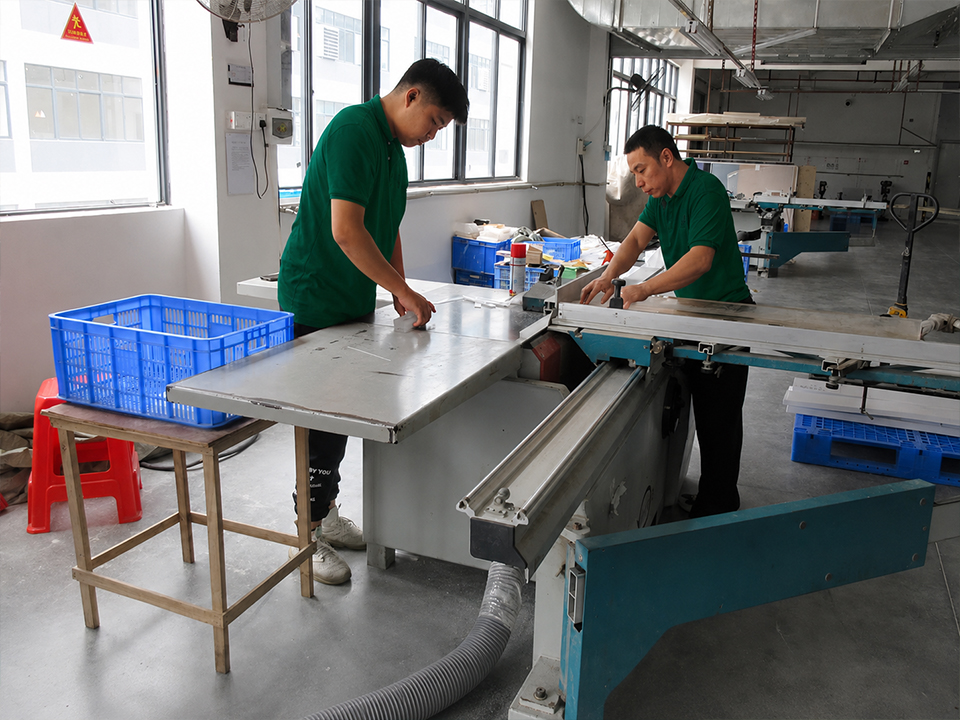
Material efficiency is often one of the most direct opportunities. Efficient nesting, sensible tolerances, appropriate sheet thickness, useful part sizes, and separation of scrap acrylic can limit offcuts and improve yield. EPA’s waste hierarchy gives priority to source reduction and extending product life ahead of downstream recovery, reinforcing the value of designing out avoidable waste.

The overall impact can also depend on energy use, transportation, suppliers, and waste management. Claims about energy-efficient equipment, renewable sources, greenhouse gases, emission reductions, or carbon footprint should be supported by relevant evidence. Sustainable manufacturing is credible when project decisions and supplier data support the claim.

Sustainability

A responsible material decision balances appearance, function, budget, service life, production efficiency, and end-of-life planning. Options may include conventional sheet material, recovered-material sheets, or bio-based acrylic alternatives where appropriate; reducing the need for new raw material can be valuable, but any environmental benefit remains dependent on sourcing, performance, and actual recovery.

Contact us to discuss specifications, recycled-material options, design requirements, quantities, finish requirements, installation conditions, and custom manufacturing needs. A well-defined brief makes it easier to evaluate material choices, recyclability, fabrication constraints, and practical best practices—without promising zero impact or making unsupported claims about environmental protection.